Ductless Mini-Split Installation in Miami Beach, FL
Enjoy the comfort of ductless air conditioning that suits unevenly cooled spaces, perfect for older homes.
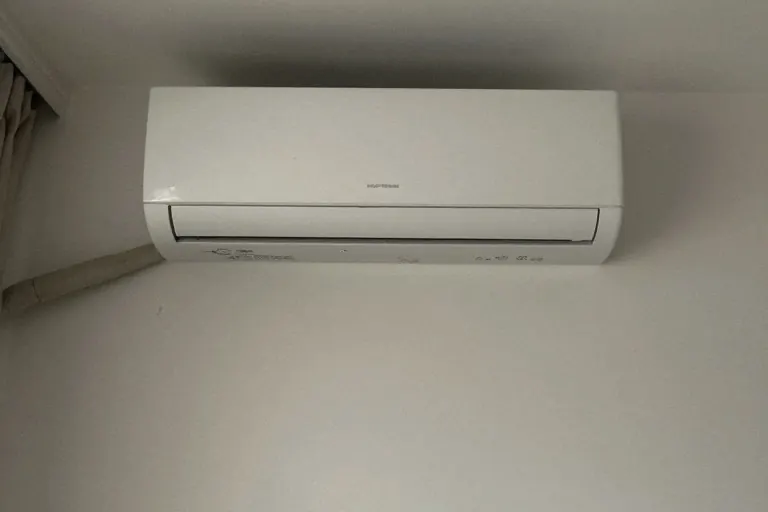
Where a mini-split earns its place
A ductless mini-split cools and heats one space without any ductwork. One indoor head mounts high on a wall, and one outdoor unit sits on a pad or wall brackets outside. A small hole through the wall carries the refrigerant lines, the power cable and a drain line. Most heads both cool and heat, so the room stays usable in every season. The unit answers to its own remote, so you set that room apart from the rest of the house.
The work suits rooms the central system never reaches. Garage conversions, room additions, attic offices and sunrooms all heat up faster than the rest of the house. A mini-split also helps when one room always runs hot or cold and the ducts cannot be balanced to fix it. In a small shop it can condition a back room or an office without touching the rooftop unit.
- Indoor head mounted high on the wall
- Outdoor unit set on a pad
- Refrigerant line set run and connected
- Condensate drain run to daylight
- Wall opening sealed and closed up
- Full run test in cooling and heating
Signs one room needs its own unit
Most people look at a mini-split after one room fights the rest of the house. A window unit rattling in the bedroom, a converted garage that stays muggy, or an addition with no ducts are the usual triggers. Sometimes the central system runs nonstop and still cannot hold that one room. A ductless head gives the space its own equipment instead of overworking the system that serves everything else.
- One room always warmer than the rest
- A window unit rattling in the frame
- Musty smell in a converted garage
- An addition with no supply vents
- Thermostat set low just to cool one room
- A sunroom that bakes by midday
How a mini-split install goes
Placement comes first. The indoor head goes high on an exterior wall when possible, where the line set has a short path outside. A mounting plate is leveled and screwed to the wall, then one hole is drilled through to the outdoors. Refrigerant lines, drain line and control wire pass through as one bundle. Outside, the condenser sits on a pad or wall brackets, close to the head and clear of foot traffic.
With both units hung, the line set is vacuumed down to pull air and moisture out of the lines before the refrigerant is released. Every flare connection gets checked for leaks. The drain is tested by pouring water into the pan so you can watch it come out outside. Last comes a run test in cooling and in heating, with the remote paired and the vanes aimed where the room needs the air.
Ductless work in Miami Beach homes
In Florida the outdoor unit barely gets a rest, and salt air near the coast pits unprotected coils and fasteners, so coated coils and stainless hardware earn their keep. Concrete block walls need a cored hole and masonry anchors rather than screws into studs. Humid air loads the condensate drain, so the line needs a steady slope and an exit that heavy rain cannot flood. Around Miami Beach the outdoor unit also gets strapped to its pad ahead of hurricane season.
What makes one job cost more
A single head with a short line run is about as plain as this job gets. The cost climbs with a longer line set, more than one indoor head, a new circuit at the panel, or a wall that is slow to core. Routing the drain or the lines through a finished room adds labor too.
- Length of the refrigerant line run
- One head or several
- A new circuit needed at the panel
- What the wall is made of
- Where the drain line can exit
Questions about ductless mini-split installation
Will a mini-split heat the room too, or only cool it?
It heats as well as cools. Most mini-splits are heat pumps, so the same unit runs in reverse when the weather turns cold. A heat pump head moves heat rather than making it, which keeps a garage or addition comfortable without a separate heater. In very cold snaps some units need a backup heat source, but for a single room the heat pump usually handles it.
How big a hole does it put in my wall?
One hole, about the width of a fist, through the wall behind the head. The line set, drain and wiring all pass through it as one bundle, and the opening is sealed and covered on both sides when the work is done. On a brick or block wall the hole takes longer to core, but it is still one hole.
Will a mini-split hold up through hurricane season?
Yes, if it is anchored. The pad or the wall brackets get strapped so wind cannot walk the unit off its base. After a storm the unit should be looked over before it runs again, since a bent fan blade or a dented coil can wreck the compressor. Planting a screen on the windward side helps with wind-driven debris.
Does a mini-split pull the humidity out too?
Yes, and in Florida that matters as much as the temperature. The head pulls moisture from the air whenever it cools, and the drain line carries that water outside. A garage that felt sticky under a window unit usually feels dry soon after the head starts. There is also a dry mode for damp weather that does not call for much cooling.
How loud is it really?
Quieter than a window unit, close to a fan on low. The outdoor unit makes the usual compressor hum, no louder than a central condenser.
Do I have to be home while it's put in?
Yes, for most of it. Someone picks the wall and lets the crew in, and the power is off briefly while the circuit is tied in.
Can it go in a room that already has vents?
Yes, and it often should. A room with vents that never gets enough air, like a bonus room over a garage, can keep its vents and let the mini-split carry the load. The central system then runs less hard trying to push air to the far end of the house. Some people close the vent in that room once the head takes over.
Other work AC Repair Near Me Miami takes on
Where
Miami Beach, Miami, Hialeah, Kendall, Hollywood, Fort Lauderdale, Sunrise, Homestead, Pompano Beach, Surfside, North Miami, Coral Gables, Miami Springs, North Miami Beach, Sunny Isles Beach, Opa-locka, Aventura, South Miami, Miami Gardens, Hialeah Gardens.